

Can luck really influence outcomes in a casino?
The Nature of Luck in Gambling
Luck has always been a pivotal element in games of chance. Players often attribute their wins and losses to luck, believing that fortune plays a significant role in determining outcomes. While skill-based games like poker may require strategic thinking and experience, many casino games, such as slots and roulette, rely heavily on chance, making the allure of australian online pokies even more captivating for enthusiasts. This dependence on luck opens up intriguing discussions about the extent to which it can genuinely influence results. The randomness inherent in these games often leads players to feel that luck is a tangible force that they can influence, even if only slightly.
In a casino environment, luck manifests itself in various ways. A player might hit a jackpot on a slot machine after a few initial losses, giving rise to the belief that luck is directly responsible for their success. Conversely, a streak of bad luck can lead to frustration and defeat. Psychological studies indicate that players often experience an emotional rollercoaster in casinos, attributing their experiences to factors beyond their control, thus enhancing the mystique surrounding luck. This psychological component can create a feedback loop, where players’ beliefs about luck influence their behavior and strategies at the tables.
However, the randomness of games is designed to create a balanced playing field. The house always has an edge, and this statistical advantage means that while luck can influence individual outcomes in the short term, it cannot alter the long-term probabilities. Understanding the interplay between luck and statistical odds can help players manage their expectations and make informed decisions while gambling. This knowledge can be empowering, allowing players to enjoy the thrill of gambling while keeping their perspectives grounded in reality.
The Role of Probability in Casino Games
At the core of casino games lies probability, the mathematical study of chance. Each game has a set probability that determines the odds of winning or losing. For example, in roulette, the chances of landing on a specific number are considerably low, owing to the presence of multiple possible outcomes. This probability framework starkly contrasts with the subjective notion of luck, as it relies on mathematical principles rather than mere chance. Players who understand these probabilities can make more informed decisions, potentially improving their chances of winning.
The insight into probabilities emphasizes the importance of understanding the game mechanics. Players who familiarize themselves with concepts like expected value and house edge can make better decisions that may lead to more favorable outcomes. For instance, while a player may feel lucky spinning a roulette wheel, those who strategically choose their bets based on probability are more likely to optimize their chances of winning over time. This strategic approach can mitigate the impact of luck, showing players that informed decisions can lead to better results.
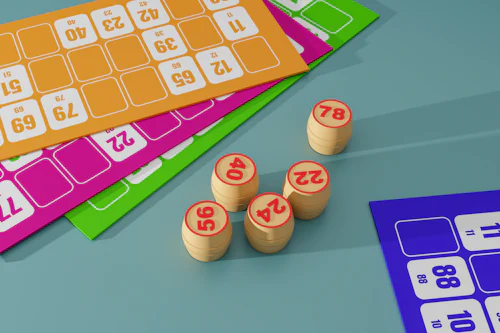
While luck can occasionally favor a player, relying solely on it is risky. Probability does not change based on a player’s belief in luck. Instead, it remains a constant factor. A seasoned gambler knows that understanding probability can help navigate the complexities of casino games more effectively, demonstrating that while luck has its place, skill and knowledge often hold more sway in the long run. Players who prioritize learning about odds and game mechanics tend to have a more rewarding gambling experience, balancing luck with informed gameplay.
Psychological Factors in Perceiving Luck
The perception of luck is often rooted in psychological factors that influence a gambler’s mindset. Cognitive biases play a crucial role in shaping how players perceive their victories and defeats. For example, the ‘gambler’s fallacy’ causes players to believe that past outcomes affect future results, leading them to make irrational betting choices based on perceived patterns of luck. This fallacy can be particularly dangerous, as it can lead to increased risks and larger bets in the hopes of overcoming a losing streak.
Additionally, emotional states can significantly impact a player’s belief in luck. After a big win, individuals often feel invincible, attributing their success to a lucky streak. On the contrary, a series of losses can lead to feelings of hopelessness, making players feel cursed. This psychological rollercoaster can distort reality and lead to irrational behaviors, such as chasing losses or increasing bets in hopes of regaining what has been lost. Recognizing these emotional patterns is vital for players to maintain a balanced approach to gambling.
Moreover, social influences can enhance or diminish the belief in luck. Discussions with fellow gamblers or observing others’ wins can reinforce a player’s perception that luck is a significant player in outcomes. This social aspect can create a shared belief in luck among players, further complicating their understanding of the odds and probabilities involved. Understanding these psychological nuances can help players navigate the emotional highs and lows of gambling, allowing them to maintain a more balanced perspective on luck versus skill. By fostering a rational mindset, players can enjoy gambling as a form of entertainment rather than a means of financial gain.
Strategies for Managing Luck in Gambling
Recognizing the dual nature of luck and skill is vital for effective gambling strategies. While players cannot control luck, they can employ strategies to manage their bankroll and decision-making processes. Setting limits on how much to gamble and knowing when to walk away are crucial steps in ensuring that players do not fall victim to the whims of luck. These practices help create a more structured approach to gambling, minimizing emotional decision-making and enhancing overall enjoyment.

Additionally, players can choose games with better odds to maximize their chances of favorable outcomes. For instance, games like blackjack, which involve an element of skill, can allow players to apply strategies that may mitigate the stark impact of luck. By honing skills in such games, players can enhance their potential for success, making it a more balanced experience rather than leaving everything to luck alone. This approach also encourages a more engaging and interactive gambling experience, as players actively participate in their outcomes.
Furthermore, cultivating a responsible mindset towards gambling can be beneficial. Players should be encouraged to view their participation as entertainment rather than a means to an end. This perspective allows for a healthier approach that recognizes the role of luck while also acknowledging that outcomes can never be fully guaranteed. By blending disciplined strategy with an awareness of luck’s role, players can enjoy a more fulfilling gambling experience. This balance helps mitigate feelings of frustration or disappointment, allowing players to focus on the enjoyment of the games themselves.
Understanding Outcomes Beyond Luck
While luck undeniably influences the outcomes in a casino, it is essential to understand that it is just one piece of a much larger puzzle. Factors such as game design, player behavior, and specific strategies all intersect to create the final result. The essential takeaway for players is to appreciate the multifaceted nature of casino games, where luck may play a temporary role, but skill, knowledge, and strategy ultimately shape the experience. Understanding these dynamics can empower players to approach gambling with a more nuanced perspective.
The unpredictability of luck can create exciting moments and memorable stories. However, recognizing its limitations is crucial. Players informed about the odds and outcomes are more likely to approach their gambling experiences with a sense of empowerment rather than helplessness. They can navigate the highs and lows with better emotional control, leading to a more enjoyable time in the casino. This understanding fosters a sense of responsibility among players, encouraging them to make choices that enhance their overall experience.
In conclusion, while luck can influence short-term outcomes in a casino setting, a comprehensive understanding of the interplay between luck, probability, and psychology can lead to a more rewarding gambling experience. Players who balance their belief in luck with sound strategies are better equipped to face the uncertainties of gambling, ensuring that their time at the casino is both enjoyable and responsible. By adopting a holistic approach to gambling, players can enhance their enjoyment while remaining aware of the true nature of chance and skill in games.
